Discover the emotional journey of grief in divorce through its five stages. Explore how shock transforms into acceptance and find resilience.

Divorce is more than just a legal dissolution; it is a profound emotional journey that parallels the grieving process. As individuals navigate through the end of a marriage, they often experience a range of emotions, from disbelief and sorrow to eventual acceptance.
Understanding the emotional stages of divorce can provide invaluable insights, offering a roadmap through the often tumultuous journey toward healing. Each stage--from the initial shock and denial to the final stage of acceptance--serves as a step in the complete adjustment process.
The emotional impact of divorce is profound, and the journey through these stages is deeply personal. Factors such as the mutual joint wills, the presence of children, and the length of the marriage can all influence how one navigates these stages. It's important to recognize that progressing through these stages is not linear; individuals may move back and forth between them or experience several stages simultaneously.
Knowledge is power, particularly when it comes to the legal and financial implications of divjorce. Anderstanding the legally binding nature of your divorce can also inform your emotional process, as it affects future relationships and financial stability.
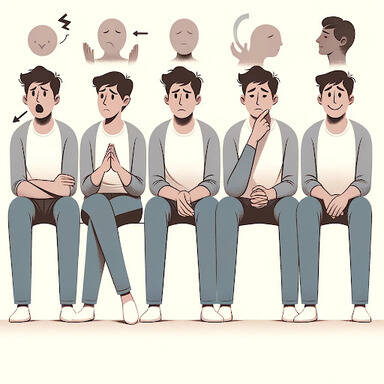
The five stages of grief in divorce, as conceptualized by Elisabeth Kºbler-Ross, have been adapted to reflect the divorce experience. These stages are not steps to be completed in order, but rather frameworks for understanding your emotions. The first stage, shock and denial, is a natural response to the loss of the marriage, often accompanied by numbness and a refusal to accept the reality of the situation.
As the shock wears off, it may be replaced by anger and bargaining. The second stage, anger, is a natural reaction to the perceived injustice or betrayal of the separation. This stage can be challenging, as it may influence interactions with the ex-spouse and other family members.
Bargaining, the third stage, is a stage of deeper reflection on what could have been done differently. It often involves go-rounds with the ex-spouse about responsibilities and blame. This stage can be emotionally exhausting, but it is also a necessary part of the healing process.
Depression, the fourth stage, is often the longest stage. It’s a period of deep sadness, reflection, and sometimes feelings of hopelessness. It’s a time when the reality of the life changes fully sinks in. The final stage, acceptance, is when individuals come to terms with the end of the marriage. It's a state of resolution, where one can look to the future with optimism. It’s important to note that reaching acceptance doesn’t mean approving of the divorce, but rather accepting the reality of the situation.
Knowledge is power, particularly when it comes to the legal and financial implications of divorce. Anderstanding the legally binding nature of your divorce can also inform your emotional process, as it affects future relationships and financial stability.